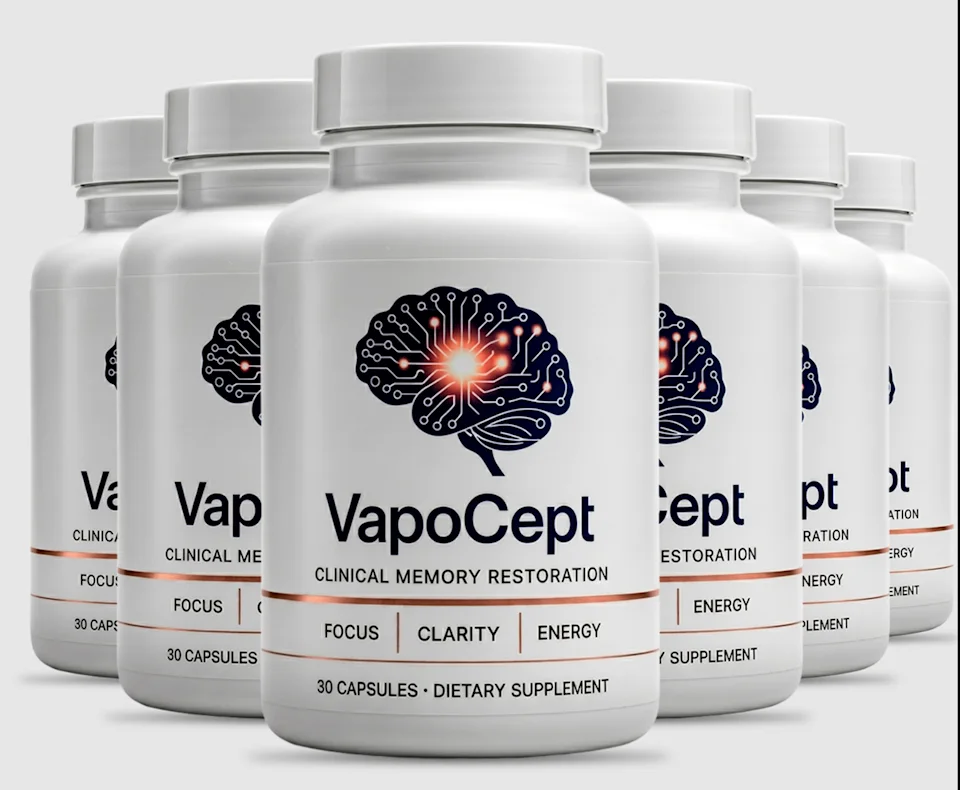
VapoCept Memory Brain Health (Supplement) Focus: Movement, Nutrition, Relaxation & Daily Routines Can Influence Mental Performance!
🚀EXCLUSIVE SAVINGS AVAILABLE – CLICK HERE TO GET YOURS TODAY 🚀
Brain health plays an important role in everyday life. Memory, attention, learning, problem-solving, and decision-making all depend on healthy cognitive function.
Although occasional forgetfulness is normal, maintaining a healthy lifestyle can help support cognitive wellness over time.
VapoCept is marketed as a dietary supplement intended to support brain health, memory, concentration, and focus. Its manufacturer describes a formula containing six nutrients and promotes it as a natural approach to cognitive wellness.
However, brain health is much broader than any individual supplement. The National Institute on Aging emphasizes factors such as physical activity, healthy eating, adequate sleep, management of health conditions, and mental engagement as important components of cognitive health.
Why Focus and Memory Matter
Focus allows us to direct our attention toward a particular task, while memory allows us to retain and retrieve information. These abilities work together throughout the day.
For example, when studying, paying close attention to new information makes it easier to process and remember. On the other hand, distractions, fatigue, and stress can interfere with concentration.
Creating periods of uninterrupted focus can therefore be a simple way to improve everyday productivity. Turning off unnecessary notifications, limiting multitasking, and working on one task at a time can help protect attention.
VapoCept as Part of a Wellness Routine
VapoCept is promoted as a supplement for people seeking nutritional support for memory and mental clarity.
Its manufacturer describes ingredients associated with processes such as cerebral blood flow and neuronal energy.
When considering a supplement, it is important to distinguish between the proposed benefits of individual ingredients and evidence demonstrating
That the complete product produces a meaningful improvement in cognitive performance.
Memory Starts With Attention
Memory and attention are closely connected. When we learn something new, we need to pay attention before the information can be effectively processed and remembered.
Everyday distractions can interfere with this process. Constant notifications, multitasking, stress, and tiredness may make it harder to focus.
One useful habit is to create periods of uninterrupted concentration. Putting a phone aside and focusing on one task at a time can make reading, studying, and working more manageable.
VapoCept and Cognitive Support
VapoCept is promoted as a nutritional supplement for people interested in supporting memory, concentration, focus, and mental clarity.
Its product information highlights nutrients associated with processes involving cerebral blood flow and neuronal energy.
When evaluating such a product, it is important to distinguish between an ingredient's proposed function and evidence that the complete supplement produces a meaningful improvement in cognitive performance.
🚀EXCLUSIVE SAVINGS AVAILABLE – CLICK HERE TO GET YOURS TODAY 🚀
The National Institute on Aging notes that, at present, no vitamin or supplement is recommended specifically for preventing Alzheimer's disease or other cognitive decline.
For that reason, supplements should be approached with realistic expectations and should not replace healthy habits or appropriate medical care.
Exercise and Brain Health
Physical activity is one of the simplest ways to support overall health. Regular movement can improve strength, balance, mood, cardiovascular health, and energy, while research continues to examine its relationship with cognitive health.
Walking is an excellent starting point for many people. Other options include cycling, swimming, dancing, gardening, and resistance exercises.
U.S. federal guidelines referenced by the National Institute on Aging recommend at least 150 minutes of physical activity each week for adults.
The important point is consistency. A realistic exercise routine is more sustainable than an overly ambitious plan that quickly becomes difficult to maintain.
Sleep and Mental Clarity
Sleep is another essential part of cognitive wellness. Poor or insufficient sleep can make it harder to concentrate, learn, remember information, and manage emotions.
The National Institute on Aging generally recommends seven to nine hours of sleep each night.
A regular bedtime and wake time can help establish healthy habits. A quiet sleeping environment and a relaxing routine before bed may also be useful.
If someone consistently experiences poor sleep or significant daytime fatigue, discussing the issue with a healthcare professional may be appropriate.
Nutrition and the Brain
The brain needs energy and nutrients every day. A balanced diet can support brain function while also benefiting cardiovascular and metabolic health.
A nutritious eating pattern can include:
- Fruits
- Whole grains
- Beans and lentils
- Nuts and seeds
- Fish
- Healthy protein sources
- Unsaturated fats
Research has examined Mediterranean-style and other healthy dietary patterns in relation to cognitive health, but evidence is not conclusive enough to say that a particular diet can prevent Alzheimer's disease.
Instead of focusing on a single "brain food," it is more practical to develop a varied and balanced eating pattern.
Keep Learning
Mental engagement is another valuable part of brain wellness.
Reading, writing, learning a language, playing an instrument, studying a new subject, or developing a new practical skill can provide meaningful cognitive challenges.
The National Institute on Aging notes that learning new and demanding skills may benefit memory function.
Choose activities that are interesting enough to maintain over time. Enjoyment can make healthy habits easier to continue.
🚀EXCLUSIVE SAVINGS AVAILABLE – CLICK HERE TO GET YOURS TODAY 🚀
Social Connection and Brain Health
Healthy relationships can contribute to emotional and cognitive wellness.
Conversations require listening, remembering, understanding language, and responding to other people. Social activities can therefore provide both mental engagement and emotional support.
Spending time with family, friends, community groups, or shared-interest activities can make a healthy lifestyle more enjoyable and sustainable.
Evaluating Supplements Carefully
Brain-health supplements are widely marketed, but consumers should approach their claims carefully.
The National Institute on Aging states that no vitamin or supplement is currently recommended specifically for preventing Alzheimer's disease or cognitive decline.
This makes it important to distinguish between supporting general wellness and making claims about preventing or treating disease.
Before using VapoCept or another supplement, consider the ingredients, dosage, available evidence, and possible interactions.
People taking medications or managing health conditions should consult a healthcare professional before starting a supplement.
Building a Daily Brain-Health Routine
A simple routine can bring these habits together.
Morning: Start the day with movement, hydration, and a nutritious meal if appropriate.
Daytime: Stay active, eat balanced meals, and protect focused work periods.
Afternoon: Read, learn, practice a skill, or enjoy another mentally engaging activity.
Evening: Relax and spend time with family or friends.
Night: Maintain a consistent sleep schedule and prioritize quality rest.
The objective is not to follow a perfect routine every day. Sustainable habits are more realistic.
Managing Stress and Distractions
Stress can consume mental energy and make concentration difficult. Technology can add another challenge through constant notifications and interruptions.
Simple strategies can help create a calmer environment:
- Take regular breaks.
- Silence unnecessary notifications.
- Focus on one important task at a time.
- Exercise regularly.
- Spend time outdoors.
- Practice relaxation techniques.
- Maintain supportive relationships.
- Keep a consistent sleep routine.
These habits do not eliminate stress, but they can help create better conditions for concentration and recovery.
Looking After Overall Health
Brain health and physical health are closely connected. Managing conditions such as high blood pressure, diabetes, depression, and high cholesterol can be important for cognitive wellness.
The National Institute on Aging also recommends discussing medications with healthcare providers because some medicines can affect memory, sleep, or brain function.
Regular health checkups can help identify potential problems early and provide an opportunity to discuss changes in memory or concentration.
A Balanced Approach to Supplements
The growing popularity of brain-health supplements makes careful evaluation important.
Before using VapoCept or another dietary supplement, consider the complete ingredient list, amounts, available evidence, and potential interactions with medications. A product being described as "natural" does not automatically mean it is appropriate for everyone.
🚀EXCLUSIVE SAVINGS AVAILABLE – CLICK HERE TO GET YOURS TODAY 🚀
People who take prescription medications, are pregnant or breastfeeding, or have an existing medical condition should seek professional advice before starting a supplement.
Conclusion
VapoCept is marketed as a dietary supplement intended to support brain health, memory, focus, and concentration.
Nevertheless, strong cognitive wellness is built from many factors. Regular physical activity, quality sleep, nutritious food, mental stimulation, stress management, social connection, and good management of overall health provide a strong foundation.
Rather than searching for one solution, focus on habits that can become part of everyday life.
Move regularly, sleep well, eat thoughtfully, keep learning, protect your attention, manage stress, and make informed decisions about supplements.